Seasonal & Indoor Allergies
Seasonal and indoor allergies are reactions to things a person breathes in, some tied to the time of year and others present indoors all year round. Asthma & Allergy Care, P.C. helps patients across our New Jersey offices work out which of these is behind their symptoms.
Seasonal Triggers
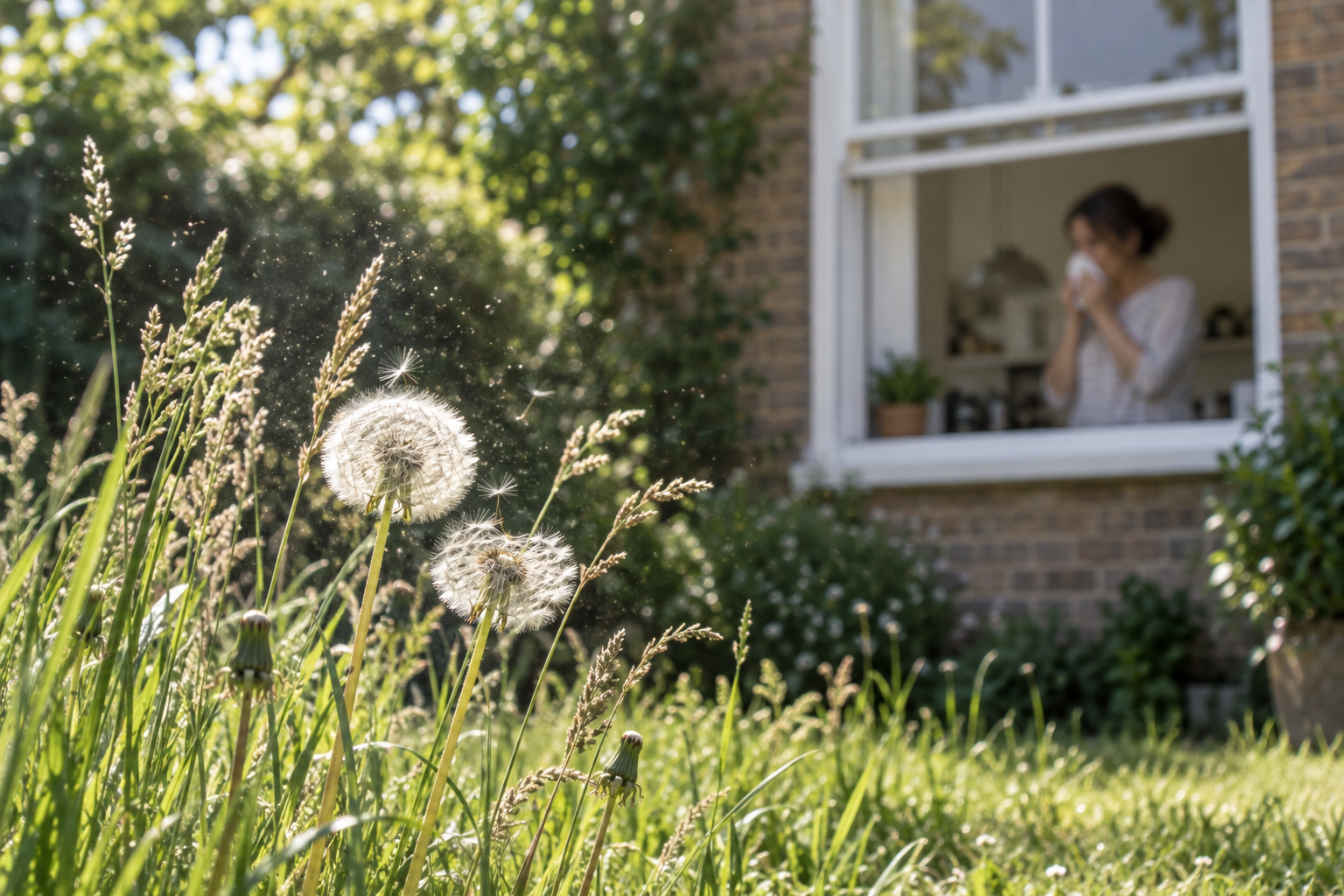
Pollen from trees, grasses, and weeds is one of the most common outdoor triggers, and it rises and falls with the calendar. Tree pollen tends to appear earliest in the year, grass pollen follows in late spring and summer, and weed pollen is often the last to peak in late summer and fall.
Because pollen levels shift so predictably with the seasons, the time of year a patient's symptoms show up is often the first clue to what they are actually reacting to. A person whose symptoms return each spring is pointing toward a different trigger than someone whose symptoms are steady all year.
If your symptoms follow this seasonal pattern, our pollen allergy page covers this trigger in more detail.
Indoor Triggers
Dust mites, mold, and animal dander are the most common indoor triggers. Unlike pollen, these are present in the home throughout the year, so they do not follow the same seasonal pattern.
Because indoor triggers tend to concentrate in bedding, carpets, damp areas, and wherever a pet spends time, symptoms from these triggers are often worse indoors or at night, when exposure is highest. A person whose symptoms are steady year-round, or worse at home than outdoors, is often reacting to something indoors rather than something seasonal.
We cover each of these triggers in more detail on our Dust Mite Allergy, Mold Allergy, and Pet Allergy pages.
Symptoms
Whether the trigger is seasonal or indoor, seasonal and indoor allergies tend to produce a similar set of symptoms. Common signs include:
Sneezing
Nasal congestion and a runny nose
Itchy or watering eyes
Broken sleep, when symptoms flare at night
Poor concentration during the day
When these symptoms persist night after night, they can lead to broken sleep, and broken sleep often shows up the next day as poor concentration at school or work.
How We Diagnose It
Because seasonal and indoor triggers can produce similar symptoms, diagnosis starts with understanding your pattern and is then confirmed with testing. We use these methods:
A Careful History
We ask when and where your symptoms happen — the time of year, and whether they are worse at home, outdoors, or around a pet — since this pattern often points toward what is causing them.
Skin Testing
Allergy skin testing can help identify which specific pollens, dust mites, mold, or animal danders you react to.
Blood Testing
Blood testing is another way we can check for these triggers, where appropriate.
How We Treat It
Treatment for seasonal and indoor allergies is tailored to the individual and may include:
Managing Medication
Medication can help control day-to-day symptoms such as sneezing, congestion, and itchy eyes.
Identifying and Avoiding Triggers
Once we know what you react to, we work with you on practical ways to reduce exposure to those specific triggers.
Allergen Immunotherapy
Where appropriate, allergen immunotherapy is given as injections to reduce sensitivity to the triggers identified through testing.
An Individual Treatment Plan
Your plan is built around your own triggers and symptoms, and it is reviewed over time and adjusted as needed.